+86-13031705107
Consulting phone

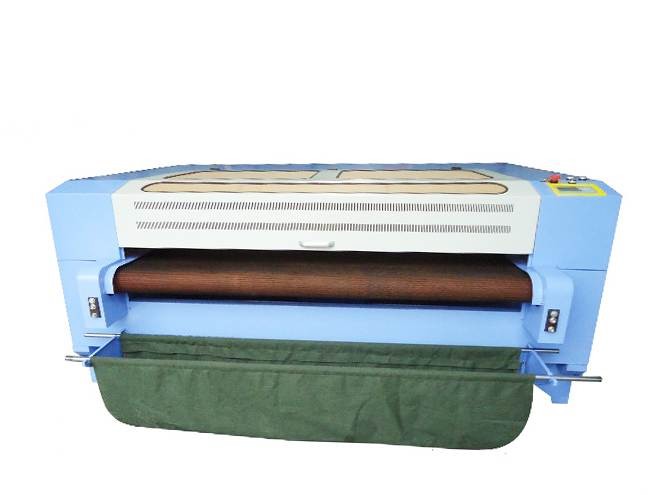
Model | GS-1610 |
Cutting area | 1600X1000mm |
laser power | 150W (RECI) |
Performance | Cutting /Engraving |
Laser type | Hermetic and detached co2 laser tube |
Engraving Scanning Speed | 0-5000mm/min |
Max Working Speed | 1000mm/min |
Max scanning precision | 1000DPI |
Resetting positioning accuracy | <0.01mm |
Power supply | AC220V/50HZ, |
Accessory | Chiller 5200 |
Fan blower | |
Controller | Rdcam |
Graphic format supported | DST, PLT, BMP, DXF, AI |
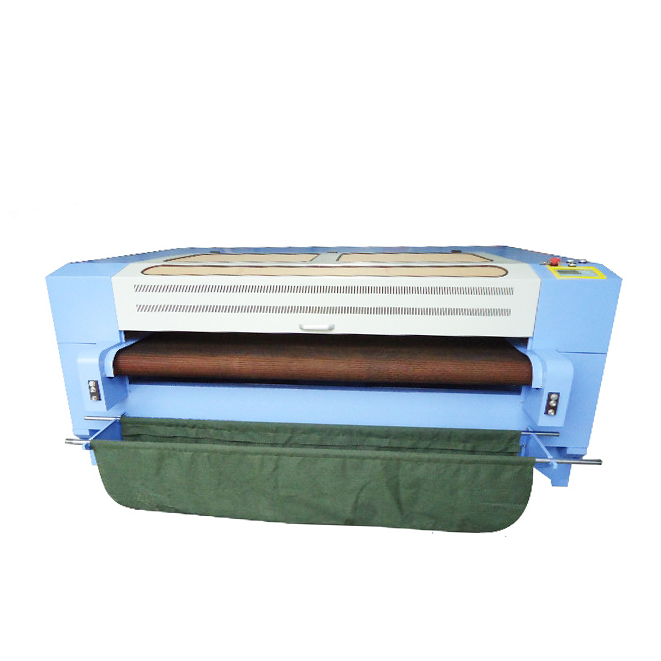
Fabric laser cutting machine adopts an automatic feeding system for home use and small business, no manual feeding is required, which saves time and effort. Automatic typesetting is also applied to the machine, and typesetting is based on the most material-saving method, which saves time and effort, saves materials, and reduces waste.
✔ Auto feeding system can load materials automatically which can save you time. This laser-cutting system is especially suitable for the mass processing of textiles and garments.
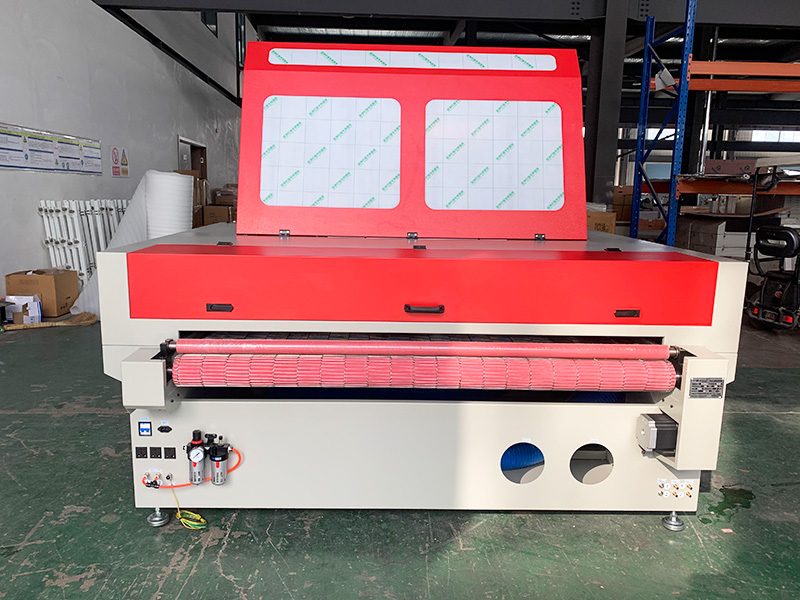
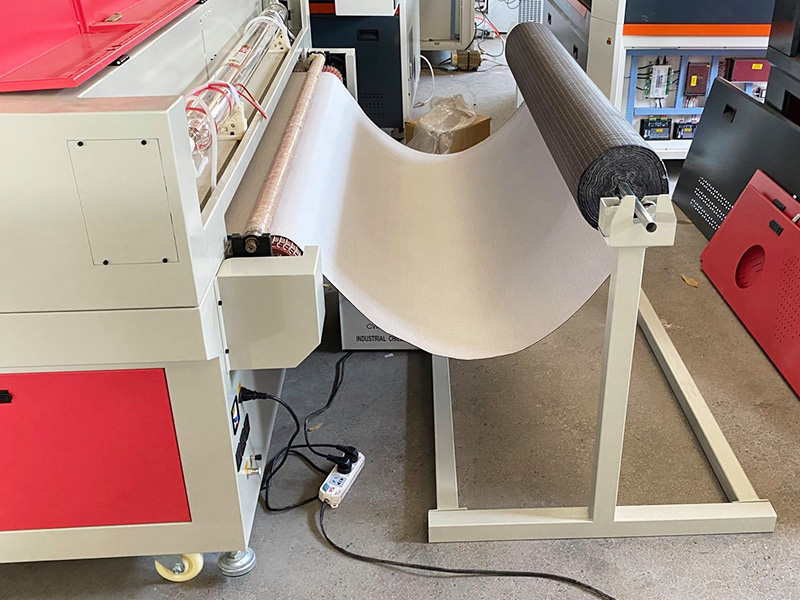
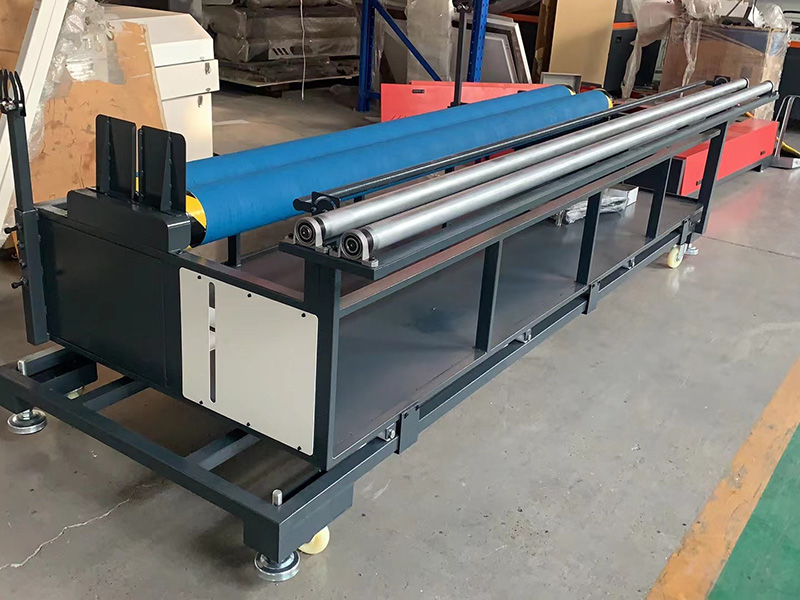
The automatic skew detection system is optional. The fabric will be put on the rolling system, the table will move forward every time after cutting, and the rolling system can rotate the fabric when working.
In this way, the fabric can be processed effectively, also make sure the leather or fabric can be made straight, improving the production rate.
✔ Best quality laser head with red light positioning system. The four fixing screws on the laser head freely adjust the reflector angle for easy focusing, convenience to operate, and stability.
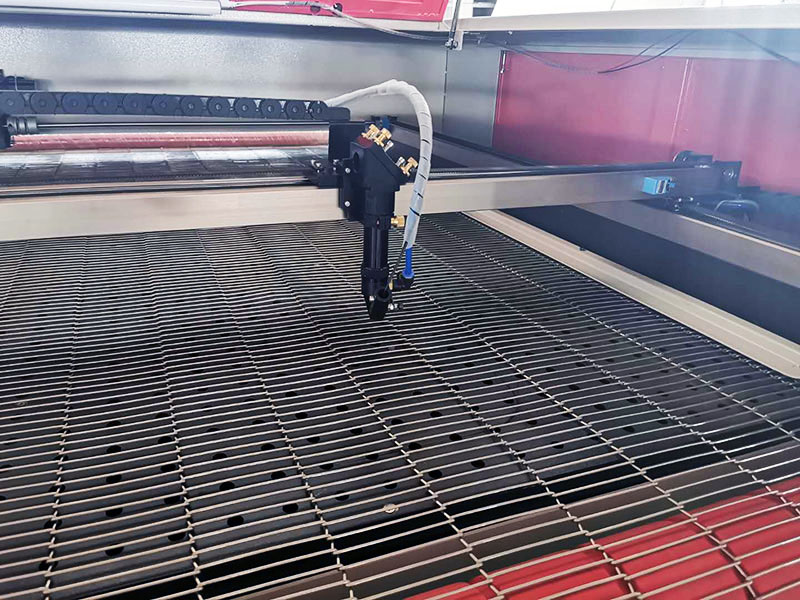
CCD camera is a great option to cut small outlines and shapes of special designs.
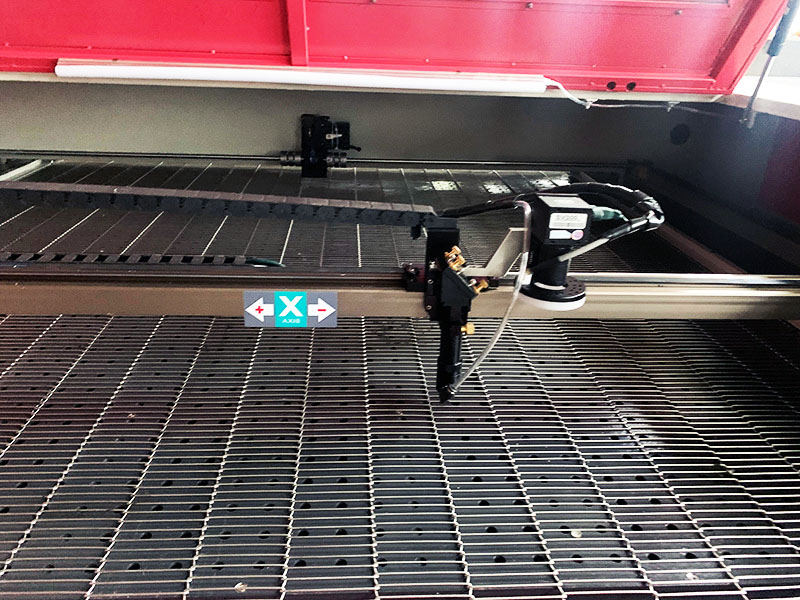
✔ Professional fabric laser cutting system, more precision, optional with CCD camera together, make sure the cutting faster and more precision, customized for fabric, cloth cutting.
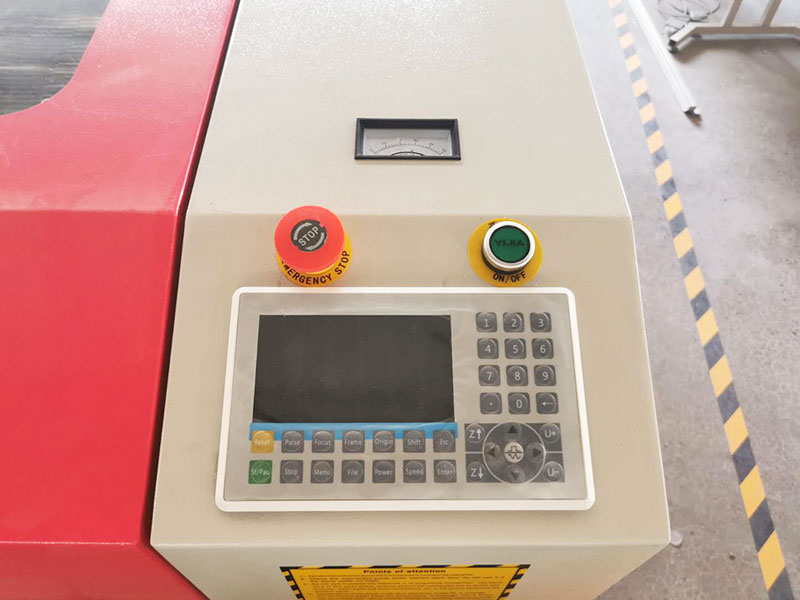
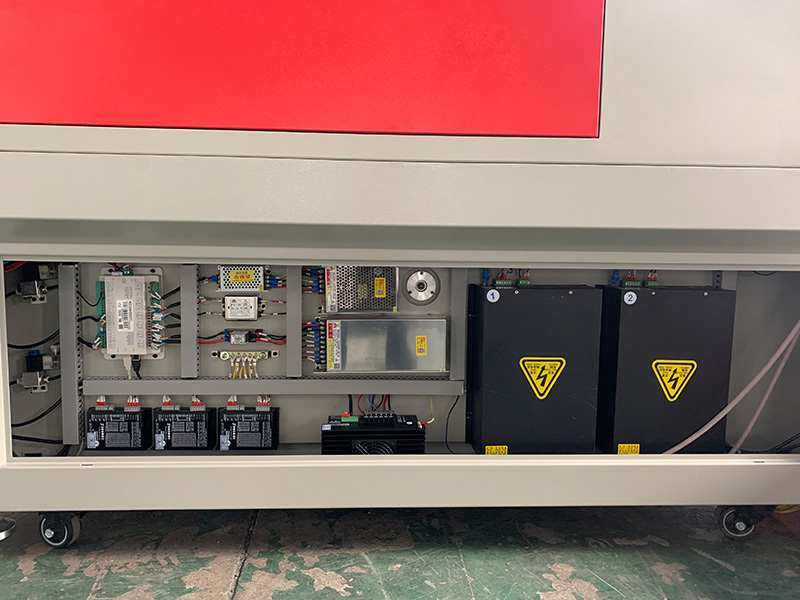
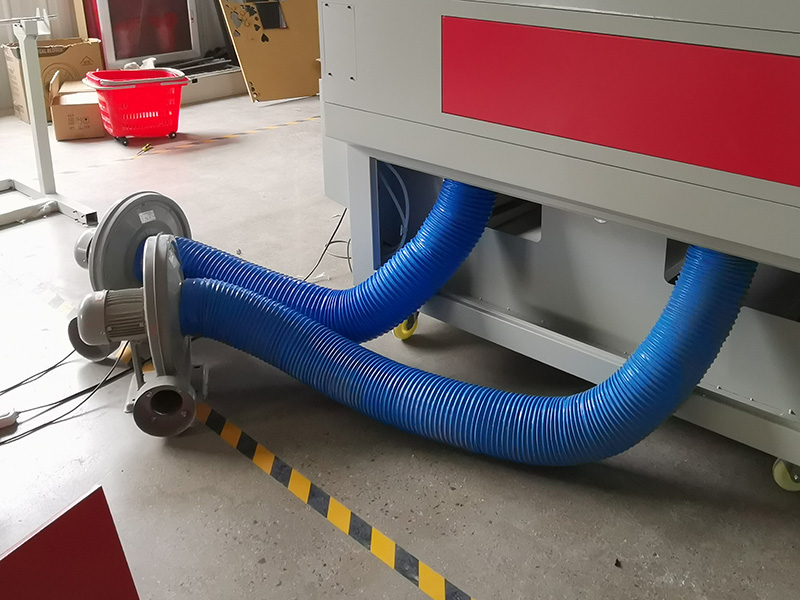
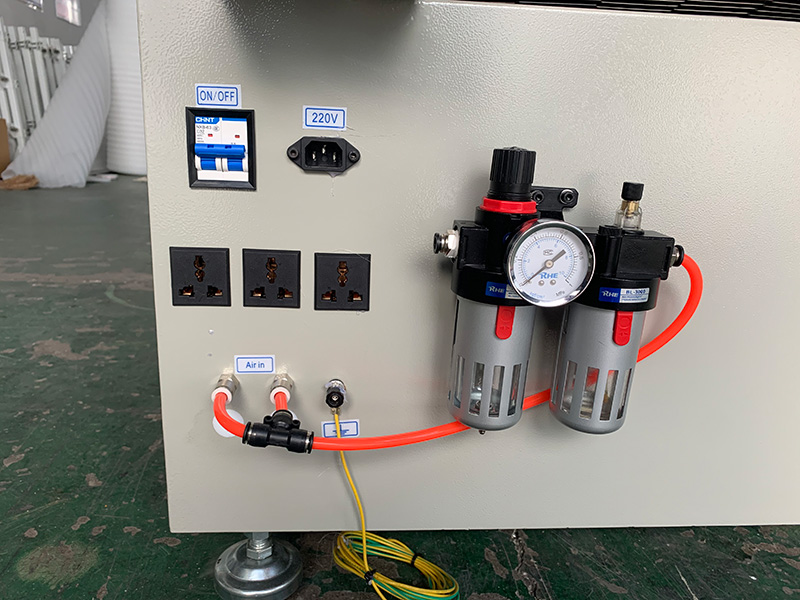
✔ Scientific ventilation equipment, high power exhaust fan, and a strong honeycomb worktable play vacuum adsorption, which can make the soft material very flat.
✔ The machine can be 220V or 110V voltage, which makes the operation more convenient.
Setting up the machine properly is a skill that ensures the most efficient production. Maintaining is also necessary to reduce cost-effectiveness. Let's take a look at the setup of your CNC laser fabric cutter and a few tips to maintain the machine well for a longer lifespan.
⇲ Unbox the machine and prepare necessary tools like screwdrivers, wrenches, and safety equipment. Carefully unpack the parts and inspect them.
⇲ Assemble the machine starting with the frame assembly.
⇲ Place and install the cutting bed with clams or a vacuum hold-down system.
⇲ Attach the laser tube to the designated holder and connect the power cables and water cooling system.
⇲ Attach the laser head to the gantry.
⇲ Set up the cooling and ventilation system as instructed.
⇲ Connect to the power supply and turn on the machine to check if all components are working properly.
⇲ Install and configure the dedicated and compatible software. Connect the machine to the computer and calibrate all the settings and parameters.
⇲ Import design files and test simulation files.
⇲ Last but not least, fine-tune your settings and make sure the safety check-up.
A CNC laser fabric cutter is an asset for industrial and home manufacturing. These machines are available in a variety featuring different specs and usage. Therefore, it is crucial to find the right machine for your job. How to do that?
⇲ Asses your project needs. Select the type of project and the material type. Also, make sure the machine can provide the product size and volume you intend to manufacture. Use an automatic feeder and faster cutting speeds to increase efficiency for larger volumes.
⇲ Budget plays a vital role in choosing a CNC Laser for fabric cutting. Estimate the initial cost and consider the long-term cost together. Machine cost, maintenance, and energy consumption can significantly make a difference over time.
⇲ It is important to research if the machine is going to be a value-for-money option for you. So, choose a model that is full of features. A good brand will ensure all the technical and manufacturing support you will need.
Warranty coverage is also an important aspect. Consider extended warranty coverage. This may cost additionally but is useful.
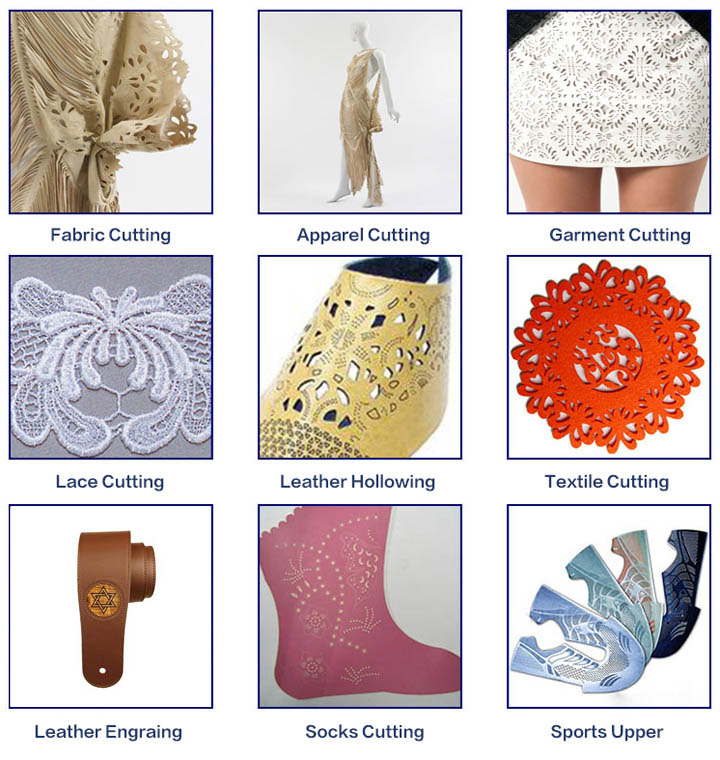
CNC laser fabric cutting machine is designed for cutting textile fabrics such as cotton, plush collars, real silk, polyester, chemical fiber, denim, flannel, genuine leather, artificial leather, soft surface leather, decorative leather, and packaging leather in home shop and small business.
Industrial Textile: filter cloth, bolting cloth, filter fabric, nonwoven, glass fiber, felt, synthetic fiber, fabric ducting, polypropylene (PP), polyethylene (PE), polyester (PES), polyamide (PA), cement packing, geotextile, coated fabric, PVC fabric, sponge, insulating material and other industrial flexible materials.
Non-woven fabrics For Health & Medical: insulating material, glass fiber, polyester fiber, Microfiber, Cleanroom Wiper, Glass cloth, Micro-fiber Wiper, non-dust cloth, clean wiper, paper diaper, etc.
Home Furnishing Fabrics: upholstery, carpet, mat, floor rug, mattress, curtain, doormat, valance, wallpaper, tablecloth, bed sheet, bedspread, counterpane, dust cover, sofa fabric, etc.
Garment Fabrics: sportswear, swimwear, diving suit, exposure suit, liner, lining, adhesive interlining, wadding piece, case-hardened cotton, synthetic leather, genuine leather, etc.
Automotive Interiors: car seat cover, car cushion, car mat, car carpet, car rug, pillowcase, airbag, auto dustproof cover, seat belt (safety belt), etc.
Fabric laser-cutting machines are suitable for plush toy cloth processing, the clothing processing industry, and the leather processing industry.
Laser production requires several safety checkups. Following the safety rules can save workers and the machine from severe damage. Workers and experts should follow these safety considerations_
⇲ Wear personal protective equipment (PPE). This includes laser safety glasses, protective clothing, and gloves.
⇲ Ensure proper ventilation using a proper exhaust system and air filtration.
⇲ Keep a fire extinguisher within easy reach and train the workers how to use it.
⇲ Inspect the machine and its parts and maintain them daily.
⇲ Follow electrical safety rules and make sure proper electrical connections every single time.
Above all, consider long-term environmental effects and take necessary steps to reduce contamination.
Choosing the right cutting method directly impacts your production quality, material waste, and profit margins. Here is how a CO2 laser fabric cutter with automatic feeding compares to traditional methods:
| Feature | CO2 Laser Cutter (Auto-Feed) | Rotary Blade / Scissors | Die Cutter |
|---|---|---|---|
| Edge Quality | Sealed, fray-free edges on synthetics | Fraying on most fabrics | Clean but limited shapes |
| Cutting Precision | ±0.01mm computer-controlled accuracy | Depends on operator skill | High, but fixed to die shape |
| Material Waste | Minimal (auto-nesting software) | 10-15% average waste | Low waste per shape |
| Setup Time | Upload design and cut instantly | Manual layout each time | New die needed per design |
| Fabric Contact | Contactless (no distortion) | Physical pressure required | Heavy press force |
| Best For | Custom patterns, small-batch production | Simple straight cuts | High-volume single designs |
For home-based garment businesses and small workshops handling custom orders, a CO2 Laser Cutter With Automatic Feeding eliminates the manual labor bottleneck while keeping intricate design capability that die cutters simply cannot match.
Not all textiles respond to laser cutting the same way. Understanding how your target materials behave under a CO2 laser beam helps you set the right parameters and avoid common issues like scorching or incomplete edge sealing.
• Synthetic fabrics (polyester, nylon, spandex) melt cleanly under a laser, creating a sealed edge that prevents fraying automatically.
• Natural fabrics (cotton, linen, silk) burn rather than melt, producing clean cuts but requiring lower power and higher speed to avoid yellowing or browning on light-colored materials.
• Blended fabrics (poly-cotton, cotton-spandex) combine both behaviors, often delivering good edge quality with moderate settings.
• Leather and faux leather cut exceptionally well on CO2 lasers, with smooth, sealed edges and no tool wear compared to blade cutting. Explore options with a dedicated Leather Laser Cutting Machine for heavier hides.
• Avoid PVC-based materials entirely. Laser cutting vinyl or PVC releases toxic hydrochloric acid gas, which corrodes the machine and poses serious health risks.
For operations handling sublimation-printed sportswear or fashion apparel with printed contours, a Fabric Laser Cutter With CCD Camera adds automatic contour recognition for precision cutting around printed designs.

 中文
中文 English